
Share this post:
If your Kia, Hyundai, or Genesis has been in an accident, where you take it for repairs matters more than most people realize. These vehicles are built with advanced high-strength steels, specialized adhesives, and complex driver-assistance electronics that require manufacturer-approved repair procedures. Choosing a shop without the right certifications could compromise the structural integrity of your vehicle and potentially void your manufacturer’s warranty.
At Premium Collision, we are a Kia, Hyundai, and Genesis certified collision repair center serving Harlingen and Cameron County drivers. We help you understand why certified repair matters for these vehicles and what makes our shop different from a general body shop. This guide covers what goes into a proper Kia, Hyundai, or Genesis collision repair so you can make the most informed decision for your vehicle and your safety.
Why Manufacturer Certification Matters After a Collision
Not all collision repair shops are created equal. When a vehicle manufacturer like Kia, Hyundai, or Genesis certifies a body shop, they are confirming that the facility has met strict requirements for training, equipment, and repair procedures. This is not a marketing badge. It is a commitment to repairing your vehicle the way the manufacturer engineered it to be repaired.
Here is what certification means in practice:
- Technicians are trained in manufacturer-specific repair procedures for each model and model year.
- The shop uses OEM (Original Equipment Manufacturer) parts or manufacturer-approved equivalents.
- Specialized equipment is available for working with high-strength steels, aluminum components, and advanced adhesive bonding techniques.
- The facility follows documented repair procedures that meet the manufacturer’s safety and structural standards.
- ADAS (Advanced Driver Assistance Systems) are properly recalibrated after any repair that affects sensors, cameras, or radar modules.
When you skip a certified shop, you are trusting your vehicle’s safety to a facility that may not have the training, tools, or procedures to do the job correctly.
What Makes Kia, Hyundai, and Genesis Vehicles Unique in Collision Repair
Modern vehicles from these manufacturers are not built the way cars were built 15 or 20 years ago. The materials, construction methods, and embedded technology all require a more specialized approach to collision repair.
Advanced High-Strength Steel and Mixed Materials
Kia, Hyundai, and Genesis vehicles use a combination of advanced high-strength steels (AHSS), ultra-high-strength steels (UHSS), and in some models, aluminum structural components. These materials are engineered to absorb and distribute crash energy in very specific ways.
If a non-certified shop uses the wrong welding technique, applies heat in the wrong area, or substitutes a lower-grade steel panel, it can weaken the entire crash structure of the vehicle. What looks like a clean repair on the outside could be a serious safety issue underneath.
Complex ADAS Electronics
If your vehicle is equipped with features like lane departure warning, automatic emergency braking, blind spot monitoring, or adaptive cruise control, those systems rely on cameras, radar sensors, and ultrasonic modules mounted throughout the body. Even a minor fender repair can knock these sensors out of alignment.
A certified repair center like Premium Collision knows exactly which systems need recalibration after specific repairs and has the equipment to do it correctly. Skipping this step can leave your safety features unreliable or completely non-functional.
Manufacturer-Specific Joining and Bonding Methods
These vehicles use a mix of spot welding, rivet bonding, structural adhesives, and laser welding in their construction. Each joining method has specific requirements for repair, and using the wrong technique can compromise the joint strength. Certified shops have access to the manufacturer’s exact repair procedures for each joint type on each model, ensuring the repair matches factory specifications.
The Risks of Choosing a Non-Certified Body Shop in Harlingen
It can be tempting to go with the closest or cheapest body shop after an accident, especially when you are dealing with the stress of insurance claims and rental cars. But choosing a non-certified shop for your Kia, Hyundai, or Genesis can come with real consequences.
- Warranty concerns: Manufacturers may deny warranty claims on components that were improperly repaired by a non-certified facility. If a future issue traces back to substandard collision work, you could be on the hook for the cost.
- Compromised safety: Structural repairs done without the correct procedures can reduce the vehicle’s ability to protect you in a future collision. Crumple zones, airbag deployment timing, and seatbelt pretensioner performance all depend on proper structural integrity.
- Failed ADAS recalibration: Without the right calibration equipment and procedures, safety systems like automatic braking and lane keeping may not function as designed.
- Lower resale value: A vehicle history report that shows non-certified repair work can reduce your vehicle’s resale value. Certified repairs documented through manufacturer channels carry more weight with future buyers.
The cost difference between a certified and non-certified shop is often minimal, especially when insurance is covering the repair. The difference in quality and safety can be significant.
What to Expect During a Certified Collision Repair
Understanding the repair process can take some of the stress out of a collision experience. Here is a general overview of what happens when you bring your vehicle to a certified shop for Kia, Hyundai, or Genesis collision repair.
Damage Assessment and Repair Planning
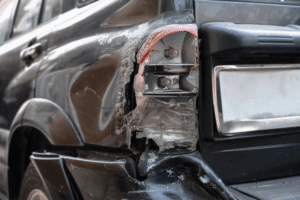
The process starts with a thorough inspection of the damage, both visible and hidden. Certified technicians use manufacturer repair procedures to create a detailed repair plan that accounts for structural damage, panel replacement, mechanical components, and ADAS recalibration needs.
Structural Repair and Panel Work
If the frame or unibody structure is damaged, it is corrected using manufacturer-approved equipment. At our facility, we use a Car-O-Liner frame straightening system, which provides precise measurements and pulling capability to restore the vehicle’s structure to factory specifications. Damaged panels are either repaired or replaced with OEM parts, depending on the manufacturer’s guidelines for that specific area and material.
Refinishing and Color Matching
After structural and panel work is complete, the vehicle goes through the refinishing process. This includes primer, base coat, and clear coat application using manufacturer-approved paint systems. Certified shops follow specific blending and color-matching procedures to ensure a seamless finish that matches the rest of the vehicle.
ADAS Calibration and Final Inspection
Once the physical repair is complete, any ADAS systems affected by the repair are recalibrated using the proper equipment and procedures. This is followed by a post-repair inspection to verify that every aspect of the repair meets manufacturer standards. This final step ensures your vehicle is safe and ready to return to the road.
Dealing with an insurance claim at the same time? Our team provides insurance claim assistance to help you navigate the process from start to finish. If you are ready to get started, visit Premium Collision at 202 E Adams Ave, Harlingen, TX 78550 or call 956-428-0890 to schedule your estimate.
Why Harlingen Drivers Choose Premium Collision for Certified Repairs
Premium Collision has been part of the Rio Grande Valley community since 2006. We built this shop on the belief that every driver deserves honest, transparent, and high-quality collision repair, and that has not changed. When you bring your Kia, Hyundai, or Genesis to us, we treat your vehicle with the same care we would give our own.
- OEM Certifications That Back Every Repair: We hold manufacturer certifications for Kia, Hyundai, and Genesis, along with GM (Chevrolet, Buick, GMC, Cadillac), Honda and Acura, FCA (Chrysler, Dodge, Jeep, Fiat, RAM), Nissan, and Infiniti. Your vehicle is repaired to factory standards, period.
- I-CAR Gold Class Certified: Only about 10% of collision repair shops nationwide hold this designation. It means our entire team meets the highest industry standards for ongoing training and repair quality.
- Car-O-Liner Frame Straightening: Our frame repair equipment delivers precise, measurable results that restore your vehicle’s structure to manufacturer specifications.
- ADAS Calibration On-Site: We have the equipment and training to recalibrate advanced safety systems right here in our facility, so nothing gets overlooked after your repair.
- Lifetime Warranty: We stand behind every collision repair with a lifetime warranty, giving you lasting peace of mind.
- Full Transparency: We walk you through every step of the repair, explain what needs to be done and why, and nothing moves forward without your approval. You decide.
- Insurance Claim Assistance: We work with your insurance company on your behalf to help make the claims process as smooth as possible.
We are here to guide you through one of the most stressful experiences a vehicle owner can face, and we take that responsibility seriously.
FAQs About Certified Collision Repair
Why should I use a certified repair center for my Kia or Hyundai?
Certified repair centers have manufacturer-approved training, tools, and procedures to restore your vehicle to factory specifications. Using a non-certified shop may result in improper repairs that compromise structural safety and could affect your manufacturer’s warranty coverage.
Does Genesis require specialized collision repair in Harlingen?
Yes. Genesis vehicles use advanced high-strength steels, aluminum components, and complex ADAS electronics that require manufacturer-specific repair procedures. A certified collision center ensures those materials and systems are handled correctly during every repair.
Will a non-certified shop void my vehicle warranty?
It depends on the repair. Manufacturers may deny warranty claims on components that were improperly repaired by a non-certified facility. Choosing a certified shop protects your warranty coverage and ensures the repair meets factory standards.
What is an OEM-certified collision repair?
OEM-certified collision repair means the shop has been approved by the vehicle manufacturer to perform repairs using original equipment parts and factory-specified procedures. This certification covers technician training, equipment standards, and repair documentation requirements.
Understand Insurance Steering Laws in Texas and Choose Premium Collision in Harlingen, TX
If your Kia, Hyundai, or Genesis needs collision repair, trust the team that holds the manufacturer certifications to do it right. At Premium Collision, we combine I-CAR Gold Class training, OEM-approved procedures, and a lifetime warranty to deliver repairs you can count on.
Visit us at 202 E Adams Ave, Harlingen, TX 78550, or call 956-428-0890 to schedule your estimate. We also serve drivers across McAllen, Edinburg, and the entire Rio Grande Valley. Let us help you get back on the road with confidence.
Recent Blogs: