Share this post:
If your brakes are squealing, grinding, or just don’t feel right, it’s time to pay attention. Brake repair in Edinburg, TX, is one of the most important services you can invest in for your vehicle’s safety and your peace of mind on the road. At Premium Automotive, we believe every driver deserves to understand what’s happening with their brakes and why acting early can save you hundreds of dollars down the line.
Whether you’re hearing a high-pitched squeak during your morning commute through Edinburg or feeling a vibration when you slow down near Trenton Road, these are signals your vehicle is sending you. This guide will walk you through the warning signs, explain why waiting is risky, and help you make informed decisions about your brake service.
What Your Brakes Are Trying to Tell You
Your braking system is designed with built-in warning signs. The trick is knowing what to listen and feel for before a minor issue becomes a major repair bill. Here are the most common red flags Edinburg drivers should watch for.
High-Pitched Squealing or Squeaking
Most brake pads come equipped with a small metal wear indicator. When the pad material wears down to a certain level, this indicator contacts the rotor and produces that familiar high-pitched squeal. Think of it as your vehicle’s way of saying, “Hey, it’s time.” If you’re hearing this sound consistently, especially at low speeds or when you first start braking, your pads are likely getting thin and a brake pad replacement should be on your radar.
Grinding or Scraping Noises
If the squeal turns into a harsh grinding sound, that usually means the brake pad material has worn through completely. At this point, the metal backing plate is pressing directly against the rotor. This metal-on-metal contact damages the rotor surface and can quickly turn a straightforward pad replacement into a much more expensive brake rotor resurfacing or full rotor replacement.
Vibrating or Pulsing Brake Pedal
A brake pedal that vibrates or pulses when you press it often points to warped or unevenly worn rotors. This can happen from excessive heat buildup, especially in the warm Rio Grande Valley climate where stop-and-go driving through Edinburg’s busy intersections puts extra strain on your braking system. Warped rotors reduce your stopping power and should be inspected right away.
Spongy or Soft Brake Pedal
When your brake pedal feels soft or sinks closer to the floor than usual, it could mean there’s air in the brake lines or your brake fluid is low. This is a serious concern because it directly affects how quickly your vehicle can stop. Don’t wait on this one, as it’s a safety issue that needs immediate professional attention.
Why Delaying Brake Repair Costs You More
It’s tempting to put off brake work, especially when the squealing seems minor. But here’s the reality: brake problems only get worse with time, and so does the repair bill. When brake pads wear down completely, they expose the metal backing plate, and that’s when the real damage begins.
- Exposed metal backing plates grind into your rotors with every stop
- Scored and warped rotors require resurfacing or full replacement
- Calipers may need replacing from prolonged stress
- What started as a simple pad swap becomes a much larger repair bill
In city driving conditions like those around Edinburg and the greater Hidalgo County area, your brakes work harder than you might think. Frequent stops at traffic lights, school zones, and intersections wear pads down faster. Most brake pads last between 30,000 and 70,000 miles, but drivers who spend most of their time in city traffic may see that number drop to 25,000 miles or less.
The bottom line? Early brake repair in Edinburg, TX, keeps you safe and saves you money. A quick inspection can catch problems before they multiply.
What Happens During a Professional Brake Inspection
Understanding what goes into a brake inspection can help you feel more confident about the process. Here’s what our dealer-level trained certified experts typically look for when you bring your vehicle in.
Pad Thickness Measurement
Our technicians measure the remaining material on your brake pads. If the pads are getting close to the minimum safe thickness, they’ll recommend replacement before metal-on-metal contact begins.
Rotor Condition Check
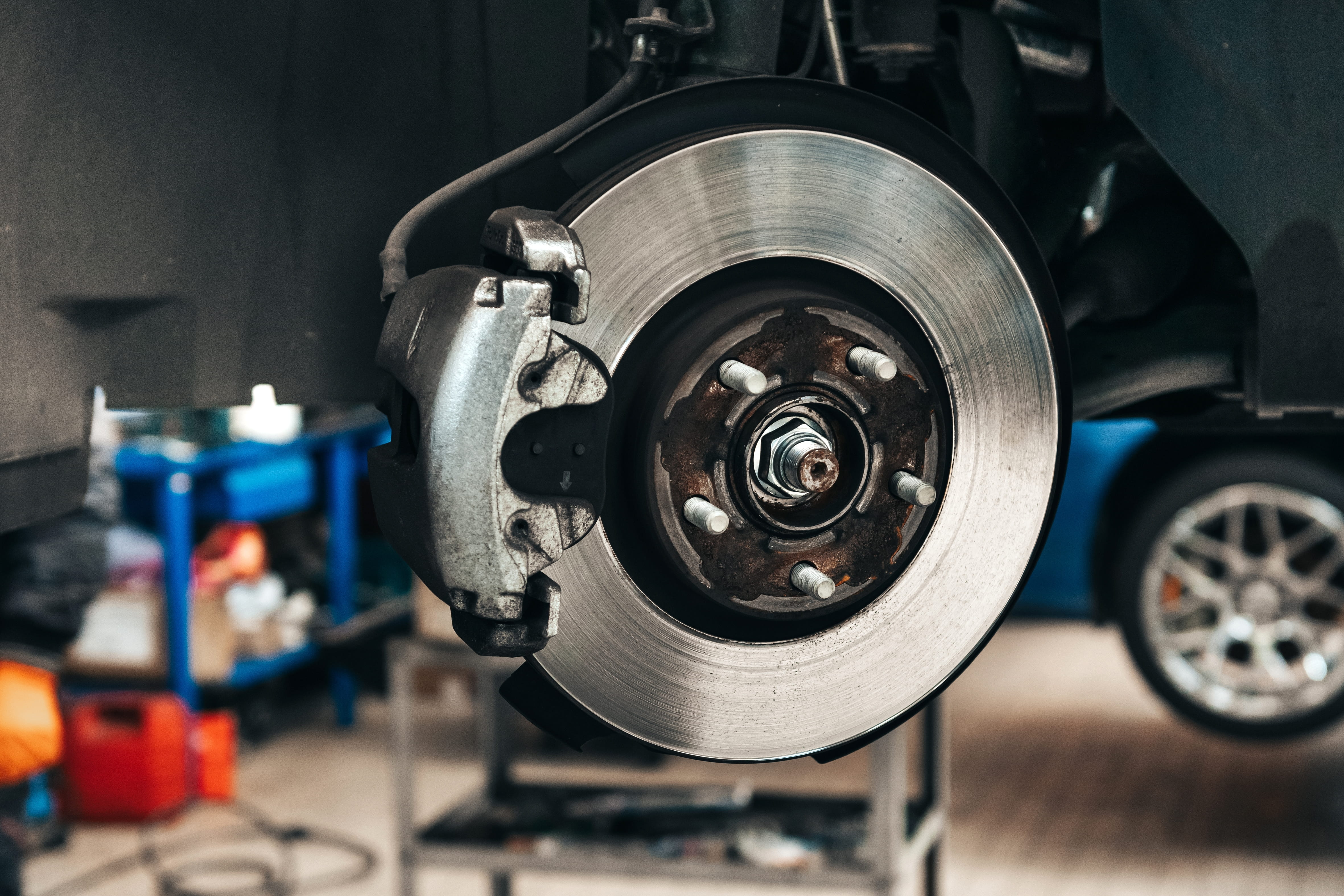
Rotors are inspected for thickness, warping, and surface scoring. Depending on the condition, rotors may be resurfaced to restore a smooth braking surface or replaced if they’ve worn below safe specifications.
When to Resurface vs. Replace Rotors
| Condition | Resurface | Replace |
|---|---|---|
| Light scoring or minor grooves | Yes | No |
| Above minimum thickness spec | Yes | No |
| Warped but within tolerance | Yes | No |
| Below minimum thickness | No | Yes |
| Deep grooves or cracks | No | Yes |
| Previously resurfaced | No | Yes |
Brake Fluid and Line Inspection
Brake fluid absorbs moisture over time, which reduces its effectiveness and can cause corrosion inside the brake lines. A thorough inspection includes:
- Checking fluid levels and condition
- Examining brake lines and hoses for leaks or wear
- Verifying proper fluid pressure throughout the system
Caliper Function
The calipers house the brake pads and squeeze them against the rotor when you press the pedal. Sticking or seized calipers cause uneven pad wear, pulling to one side, and reduced braking performance. Catching caliper issues early prevents bigger problems down the road.
If you’re noticing any warning signs or it’s been a while since your last brake check, don’t wait for the problem to get worse. Visit Premium Automotive 122 N McColl Rd, Edinburg, TX 78541 or call 956-318-5126 to schedule your brake inspection today.
Tips to Extend the Life of Your Brakes in Edinburg
You can’t eliminate brake wear entirely, but a few simple habits can help your pads and rotors last longer in the Rio Grande Valley’s driving conditions.
- Leave more following distance in traffic so you can brake gradually instead of making hard, sudden stops.
- Coast to slow down before pressing the brake pedal. Even reducing your speed by five to ten miles per hour before braking makes a real difference.
- Avoid riding the brakes on downhill stretches. Use a lower gear to let the engine help slow the vehicle.
- Keep up with routine brake inspections during your regular maintenance visits. Catching wear early is the best way to avoid costly surprises.
- Pay attention to your vehicle. If something sounds or feels different, get it checked. Your brakes are communicating with you every time you drive.
Why Edinburg Families Trust Premium Automotive for Brake Repair
We’re a family-owned shop that’s been in the Rio Grande Valley since 2006. Our slogan is “We drive together,” and that pretty much sums up how we approach things.
When you bring your Mercedes or BMW in for service, we start with your concern first. We’ll explain what we’re seeing and why it matters, and then you decide what gets done. Nothing happens without your approval. That’s not a policy we put on a wall somewhere. It’s just how we work.
Our Team and Equipment
Our technicians are ASE-certified and dealer-level trained, so whether you’re driving a Ram, an F-150, a C-Class, or a Civic, we’ve seen it before. We use the same caliber of equipment you’d find at a dealership. After brake work, proper wheel alignment matters too, which is why we have a Hunter HawkEye alignment machine and ADAS calibration technology on hand to make sure everything is dialed in correctly. The majority of our work comes with a 5-year/60,000-mile nationwide warranty, so you’re covered well after you leave.
Convenience
We know getting your car into the shop isn’t always easy, especially for busy families. That’s why we offer loaner vehicles, a free local shuttle service, Lyft and Uber rides, and free pickup and delivery. If you need to drop off after hours, we have a secure 24/7 drop-off option too.
If cost is a concern, we work with CFNA Autopass, Synchrony Car Care One, and Snap Finance to help make repairs manageable.
FAQs About Brake Repair in Edinburg, TX
How long do brake pads last in Edinburg city driving?
Brake pads typically last between 25,000 and 40,000 miles in city driving due to frequent stops at lights, intersections, and school zones. Highway driving produces less wear, often extending pad life to 50,000 to 70,000 miles. Regular inspections help you plan ahead and avoid unexpected repairs.
What does it mean if my brake pedal feels "spongy"?
A spongy brake pedal usually means there is air trapped in the brake lines or your brake fluid level is low. Both conditions reduce braking responsiveness and should be inspected by a qualified technician as soon as possible.
Is it safe to drive with squeaking brakes?
Squeaking brakes are an early warning that your brake pads are wearing thin and need attention soon. While short-term driving may be possible, continuing to drive risks rotor damage and longer stopping distances. Schedule an inspection promptly to avoid more expensive repairs.
How much does brake repair cost on average?
The cost of brake pad replacement generally ranges from $150 to $400 per axle, depending on the vehicle and pad type. If rotors need resurfacing or replacement, the total cost per axle increases. Getting a professional inspection helps you understand exactly what your vehicle needs.
Schedule Your Brake Repair in Edinburg, TX Today
Don’t let a small squeal turn into a big repair bill. If you’re hearing unusual sounds, feeling vibrations, or noticing changes in your brake pedal, now is the time to act. Ready to get your brakes checked by a team you can trust? Premium Automotive has locations across the Valley to make it easy for you.
McAllen: 711 W Dove Ave, McAllen, TX 78504 | 956-618-9877
Edinburg: 122 N McColl Rd, Edinburg, TX 78541 | 956-318-5126
Harlingen (Collision): 202 E Adams Ave, Harlingen, TX 78550 | 956-428-0890
Recent Blogs: